Our Care
Healing Path Wound Care delivers a higher standard of mobile wound management designed to reduce hospital admissions and optimize patient outcomes. As specialized Nurse Practitioners with extensive clinical experience, we provide high-acuity diagnostics, bedside debridement, and advanced biological therapies directly within homes and nursing facilities. We act as a seamless extension of the patient's care team, providing the precise protocols to heal complex wounds efficiently.
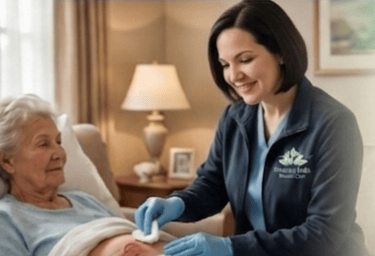
Home Care
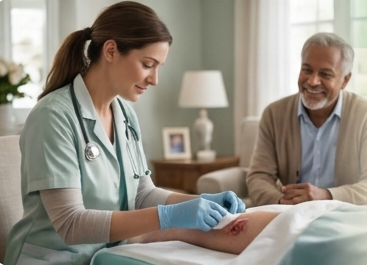
Personalized wound treatments delivered right at your doorstep.
Facility Care
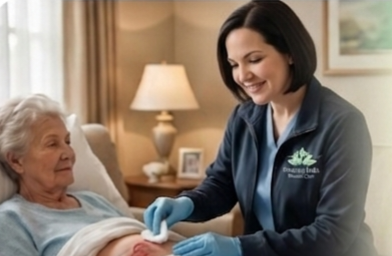
Expert wound management services within nursing and assisted living homes.
Our Care
Types of Wounds
- Diabetic Foot Ulcers: Grade 0-5, a wound on the foot caused by poor circulation, nerve damage, and high pressure. These wounds can lead to the need for amputation.
- Venous Ulcers: wounds caused by chronic venous insufficiency. Wounds typically located on the lower legs and are slow healing.
- Arterial Ulcers: wounds caused by narrowed arteries preventing adequate blood supply. Wounds are typically located on the lower legs and feet.
- Surgical Wounds: due to medical procedures. Need to watch for signs of infection or care needed after a dehiscence.
- Traumatic Wounds: wounds caused by an injury. Examples: lacerations, skin tears, burns, skin failure, and abrasions.
- Pressure Injury: wounds over a bony prominence caused by prolonged pressure or shearing. Often on the sacrum, heels, hips, and elbows. May also be caused by a medical device not over a bony prominence.
- MASD: breakdown of the skin caused by moisture. May be from incontinence, sweat, or wound exudate.
Treatments
- Sharp Debridement: Use of scissors, a scalpel, or a curette to remove dead or necrotic tissue and improve healing.
- Enzymatic Debridement: The use of topical enzymes to dissolve necrotic tissue without harm to healthy tissue.
- Biologics: Treatments derived from living sources designed to repair damaged skin by providing necessary signals for your body to restart the healing process.
- Compression Therapy: Used to improve blood circulation and lymphatic drainage in the lower extremities; allowing for improved wound healing.
- Negative Pressure Wound Therapy: Treatment device that applies a controlled vacuum to accelerate wound healing.
- Infection Control: Use of strict hand hygiene, use of appropriate personal protective equipment to help prevent introduction of pathogens to the wound.
- Moisture Control: For optimal healing, wounds need a balanced moisture level in the wound bed. This requires the use of dressings to either add moisture to a dry wound or absorb moisture from a heavily draining wound.
- Temperature Control: Dressings to maintain an ideal temperature for optimal wound healing. Wounds heal at faster rate the longer it is allowed to remain at body temperature. The wound cools with each dressing change, selecting an appropriate dressing can help minimize the number of dressing changes needed.
Our Work
Healing wounds with care, wherever you are.
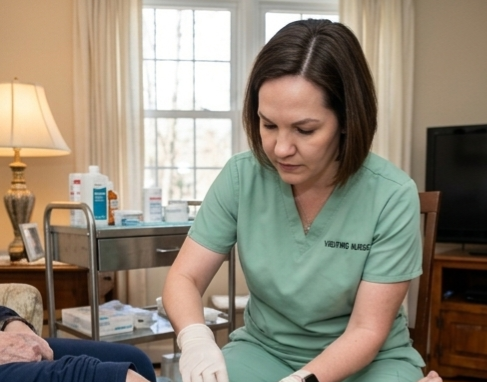
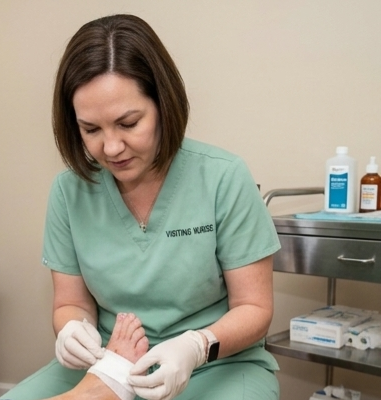
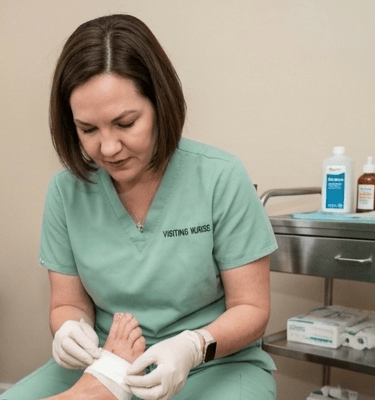
Home Care
Personalized wound treatment in your home.
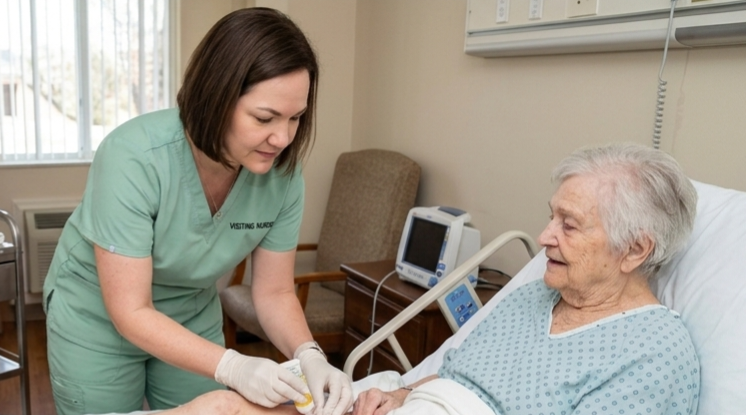
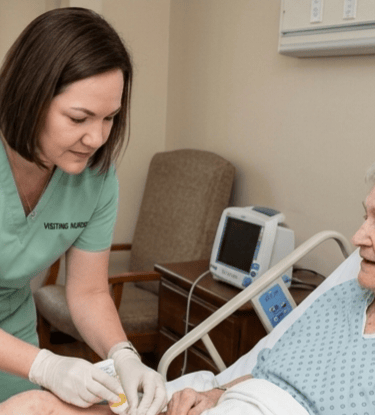


Facility Care
Expert wound services in nursing and assisted living.
Contact
Reach out anytime for your innovative, personalized wound care.
fax
Phone
shari@healingpathwoundcare.com
440-737-3008
© 2025. All rights reserved.
844-654-1520